A solo Female Traveler's Guide to
NEPAL
A complete guide to solo female travel in Nepal—safety tips, cultural etiquette, a 7–10 day itinerary, trekking advice,
and why Nepal is ideal for women traveling alone.
and why Nepal is ideal for women traveling alone.
I had just turned the last page of Rick Steves’ On the Hippie Trail—you know, the kind of book that makes you briefly consider tossing your life into a backpack—and suddenly I was remembering my own time in Nepal. Because, like what happened to Rick (Can I call him that? Maybe Mr. Steves?) Nepal is a place that changes a person in the way you don’t even realize until later. Like when you return home and taste incense in the back of your throat, or hear a bell and feel an unexpected ache.
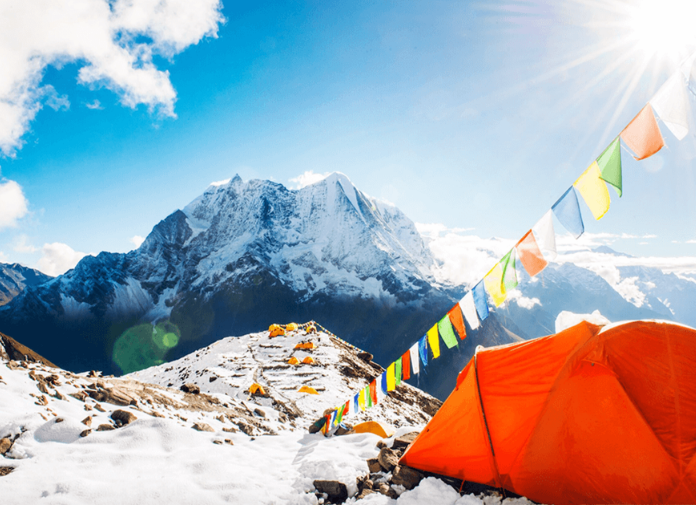
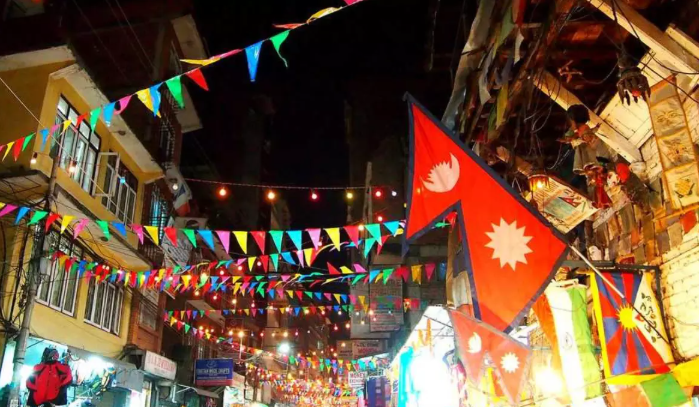
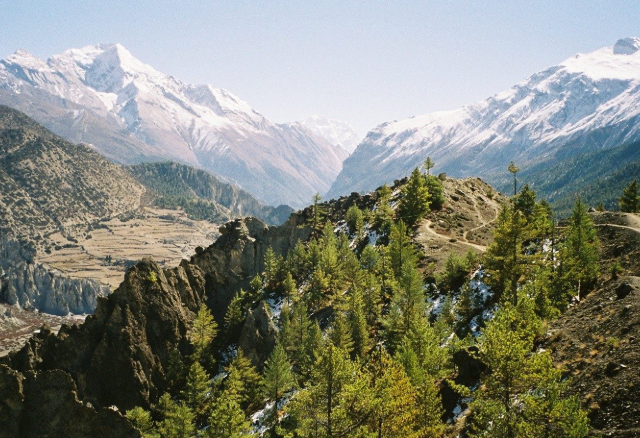
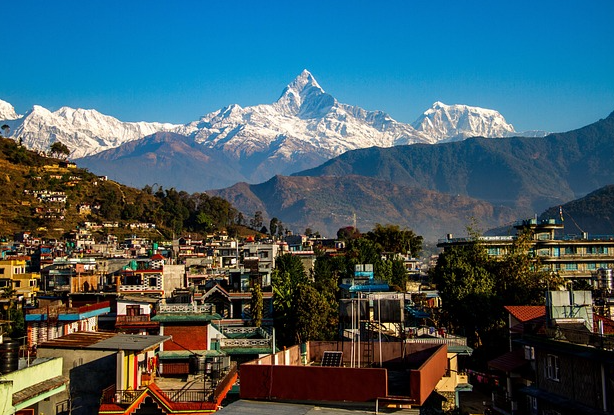
One minute you’re weaving through Kathmandu’s chaos, feeling like you’re inside a pinball machine powered by motorbikes. The next you’re somewhere quiet and high in the mountains, watching prayer flags ripple their color into the wind while the Himalayas stand there, ancient and unapologetically enormous.
Nepal is a country that meets solo female travelers at the intersection of adventure and inner-care—it feels both grounding and expansive, curious and welcoming. Locals look up when you walk past, but the gaze is usually more Are you eating enough? than What can I steal from you? or What are you doing here?
Is Nepal a Good Destination for Solo Female Travelers?
Short answer? Yes. Longer answer? Yes, but said with the warmth of someone handing you tea and a blanket.
Traveling through Nepal feels a little like slipping behind the curtain of daily life. You pass doorways where entire families are cooking, praying, teasing one another. Kids shout “hello!” like it’s a victory. Shopkeepers wave you over even if you’re only buying a single banana. You are seen—but in a way that makes you feel part of the ongoing story rather than singled out.
Nepal is widely considered one of the safer destinations in South Asia for women traveling alone. Violent crime against travelers is rare, locals are generally protective rather than predatory, and solo women are a common sight in Kathmandu, Pokhara, and on popular trekking routes. Most challenges here are logistical rather than threatening—unreliable infrastructure like cancelled bus routes or frequent power outages, rough roads, altitude issues, and cultural misunderstandings, rather than danger.
That said, Nepal is still a conservative society. Understanding social norms around dress, gender roles, and behavior will help you move through the country with respect and ease.
These are just some of the reasons why I love Nepal and encourage others to visit:
- To experience the Himalayas – Eight of the world’s ten highest peaks are here, and even without trekking, the presence of the mountains is humbling.
- It’s affordable – Food, lodging, transport, and experiences are accessible even on a modest budget.
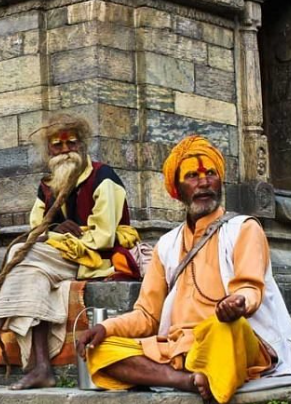
- Rich spiritual life – Hindu and Buddhist traditions coexist openly, shaping daily rituals, festivals, and fascinating architecture.
- Genuine human connection – Nepalis are famously kind, curious, and welcoming, even with limited resources.
- Incredible trekking options – From gentle village walks to legendary long-distance treks, there’s something for every level.
- Contrast and variety – Bustling cities, quiet villages, jungles, temples, rivers, and snow-capped peaks all in one country—choose your own adventure!
- A strong solo traveler culture – It’s easy to meet others without feeling pressured to travel together.
- Cultural depth with breathing room – Nepal offers rich traditions, vibrant cities, and daily rituals that feel immersive without being overpowering, giving many travelers space to observe, learn, and adjust at their own pace.
- Meaningful travel impact – Tourism directly supports local families and post‑earthquake recovery.
A 7–10 Day Itinerary for First‑Time Solo Female Travelers
This itinerary balances culture, nature, and rest—important in a country where distances are short on the map but long on the road. Seriously, Google Maps lies to you in the gentlest possible way—five centimeters on the map, five hours in the car, on winding, bumpy roads. Pace yourself.
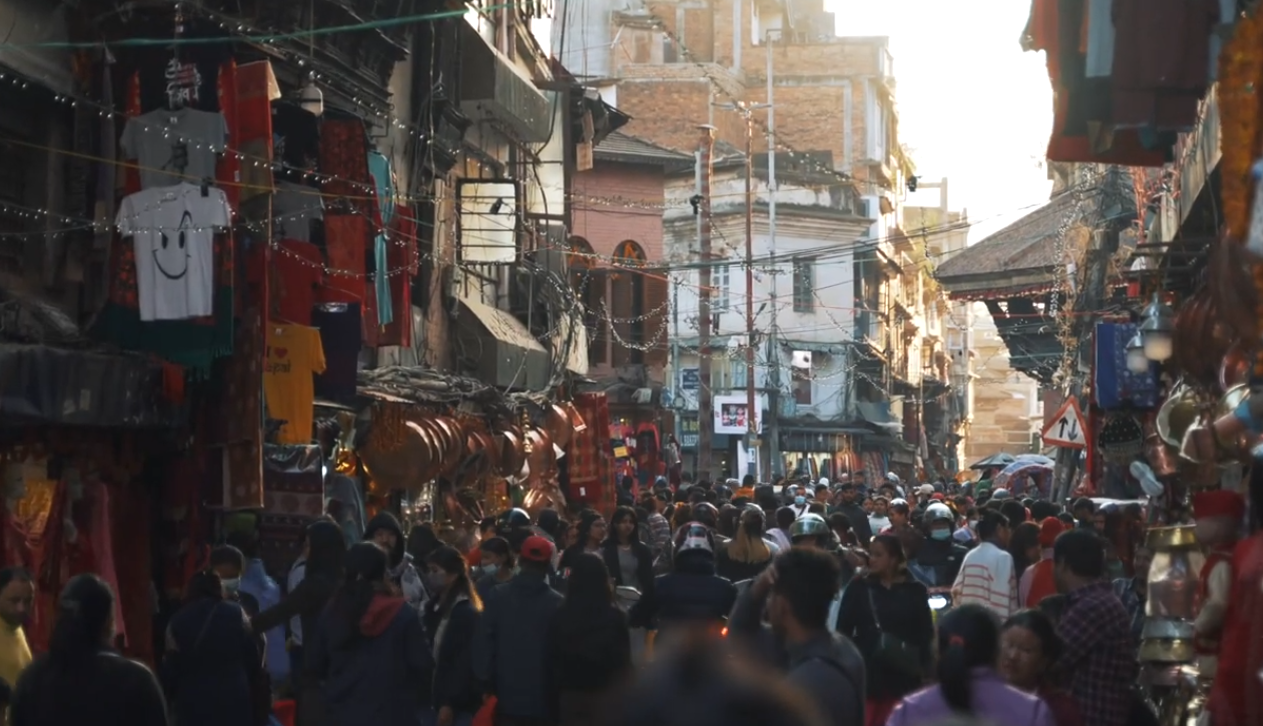
Days 1–2: Kathmandu – Finding Your Feet
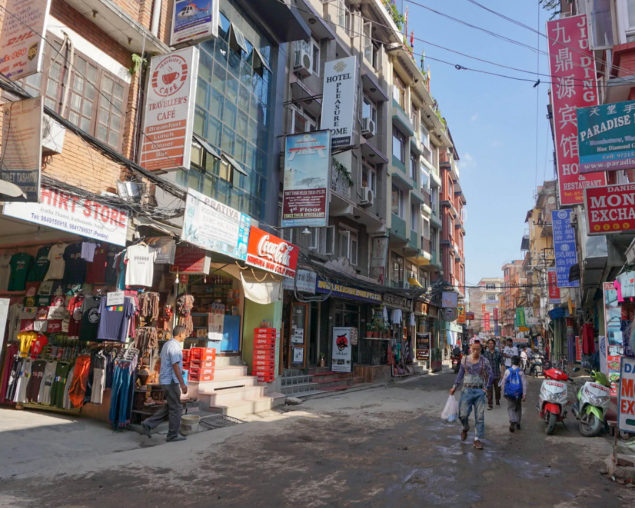
Kathmandu can feel like sensory overload at first. Car horns echo off brick walls. Vendors call out over pyramids of spices and fruit. Incense drifts through temple courtyards where women in bright choli tops sit quietly on the steps. Give yourself time here.
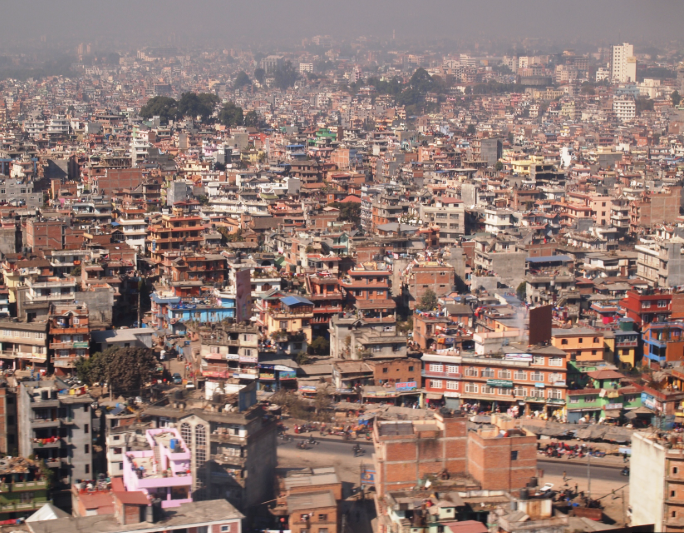
These first two days take place entirely within Kathmandu, Nepal’s busy capital and main international gateway. You are not leaving the city yet. The goal here is simple: recover from travel, orient yourself, and begin to understand the rhythm of daily life before moving on.
Base yourself in Thamel (lively and convenient) or nearby Patan (calmer and artsy). Both are part of the greater Kathmandu Valley and are well connected by taxi and rideshare. I prefer Thamel for first-timers as it is a tourist hub where you will easily find everything you need.
Day 1: Arrival + Soft Landing
After landing at Tribhuvan International Airport, take a prepaid taxi or negotiate a taxi outside the terminal to your hotel/guesthouse in Thamel. Travel time is usually 20–30 minutes, depending on traffic.
Spend your first day close to where you’re staying.
- Walk the side streets near your accommodation to get your bearings
- Stop into cafés or bakeries to sit, observe, and recover from jet lag
- Exchange a small amount of cash and buy a local SIM card if needed
- Consider a food tour to get a taste of the local flavors with a guide
- End the day with an early dinner and rest
Avoid packing your first day with sightseeing—especially if you’ve crossed a few time zones and spent many long hours on planes to get here. Kathmandu can also feel overwhelming at first, and easing in helps build confidence.
Day 2: Temples and City Highlights
Today is about exploring Kathmandu’s cultural heart, all located within the city.
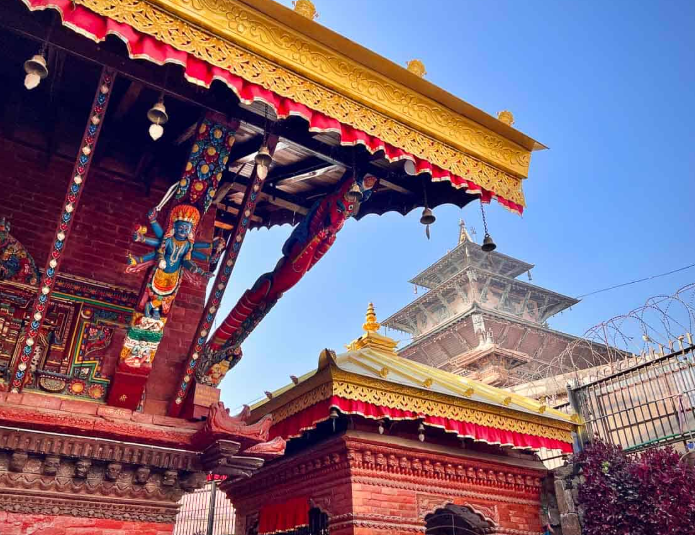
- Kathmandu Durbar Square – Reachable by taxi or a 30–40 minute walk from Thamel. Expect temples, palaces, and daily rituals unfolding around you. While you’re here, see if the Living Goddess (or “Kumari”) is peeking out of her window—just look for the intricately carved palace in the heart of the square and look up. A Kumari is considered to be the living embodiment of the goddess Taleju. She is selected as an infant and is cared for and revered until she begins puberty, when the deity is believed to leave her body, and a new Kumari is chosen.
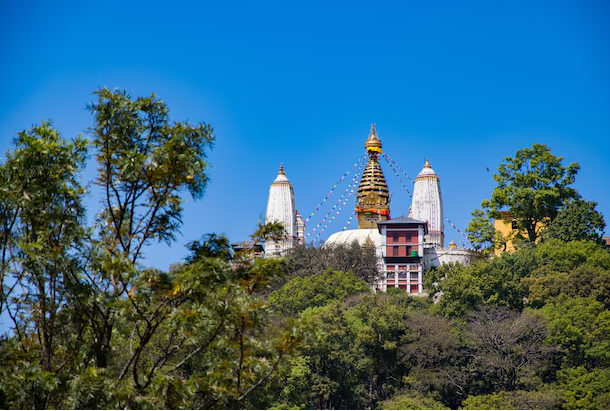
- Swayambhunath (Monkey Temple)
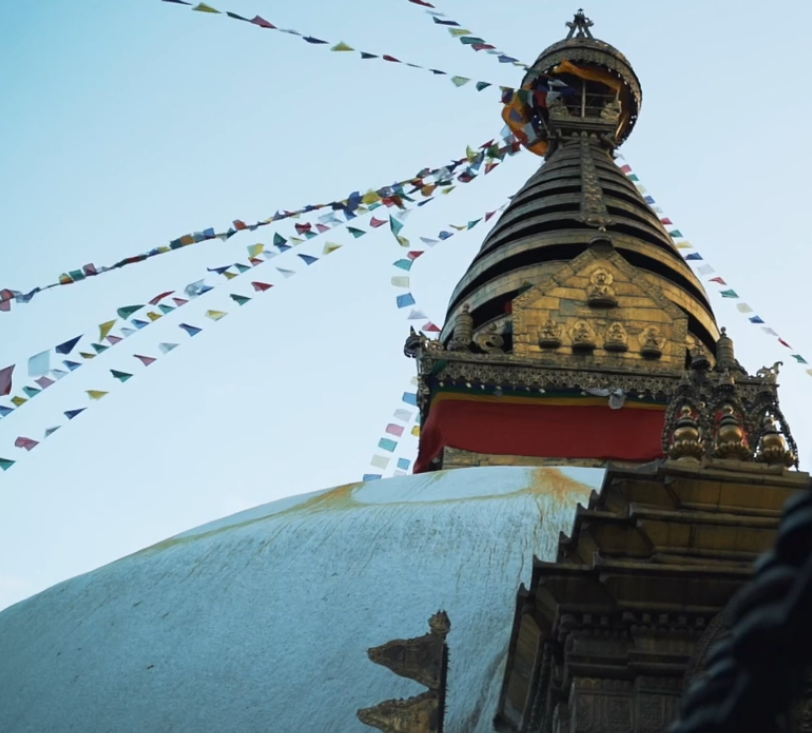
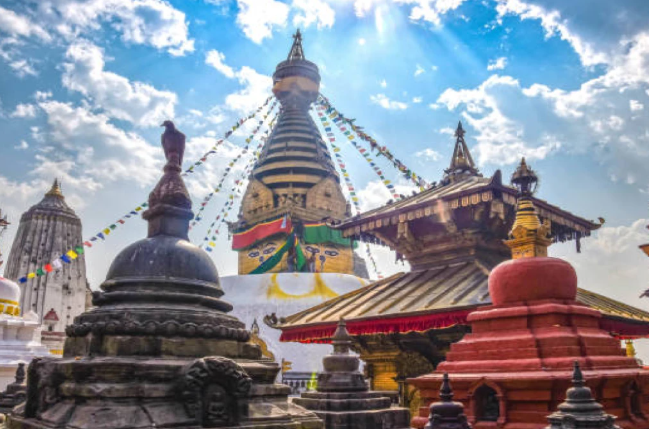
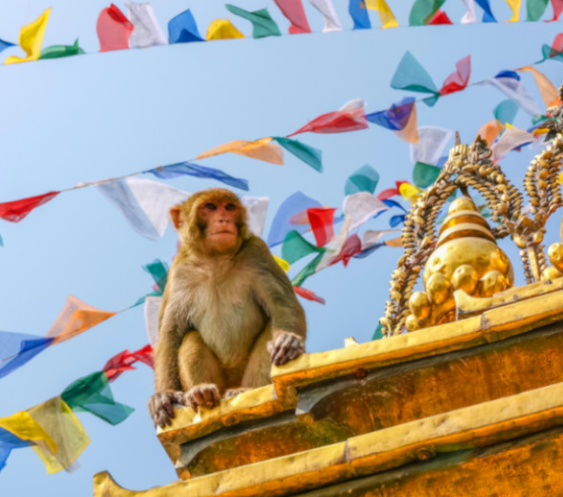
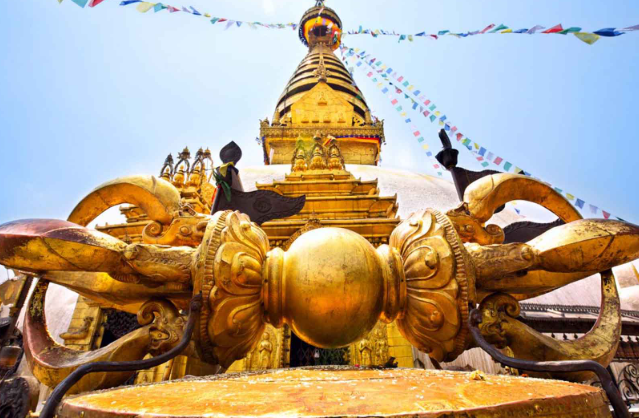
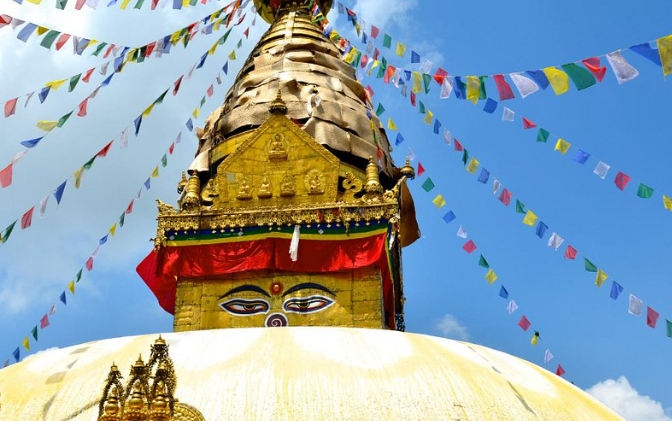
Visit this sacred Buddhist pilgrimage site in the morning or late afternoon for softer light and fewer crowds. The main white dome symbolizes the earth, topped with a golden spire painted with the all-seeing eyes of the Buddha, representing wisdom. Long garlands of prayer flags are tied to the top of the spire and make for an iconic photo.
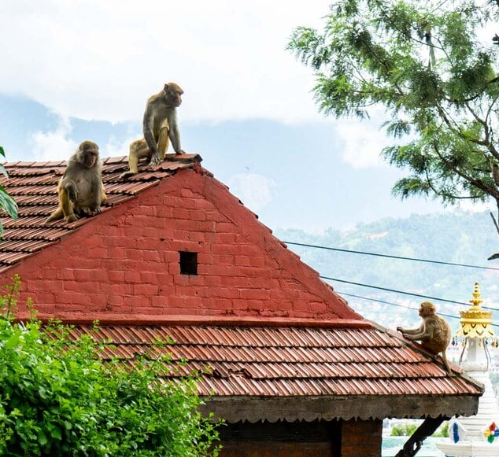
Do keep an eye on your gear and avoid bringing food into this area. Hundreds of monkeys live here and are considered sacred guardians of the site—hence are to be treated with respect. The monkeys are everywhere, and they are experts at stealing treats from tourists. Feel free to join the other visitors in spinning the prayer wheels (clockwise only, with your right hand) for good karma. To get there, take a taxi from Durbar Square or Thamel (10–15 minutes), then climb the 365 steps to get to the top. On the walk up the stairs you’ll pass dozens of smaller stupas, vendors and of course, monkeys. And while the temple itself may be spectacular, the view of the Kathmandu valley below is also breathtaking. And if you’re hungry, there is even a café at the top with an incredible view. Stop in and enjoy a Nepalese milk tea (chai).
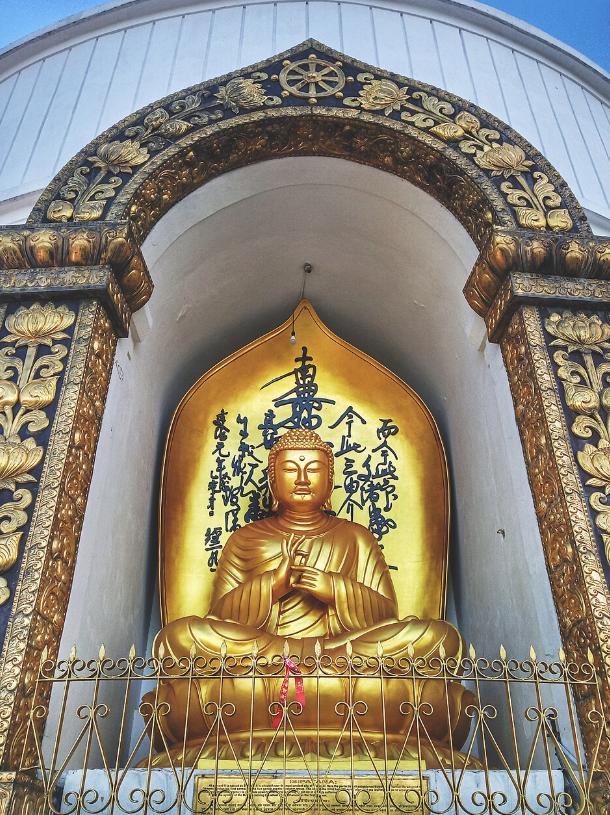
A short walk from the Money Temple is the Buddha Park, with three giant golden Buddha statues. More prayer wheels, and more vendors and restaurants.
Take taxis between major sites—or try a rickshaw for a more local feel. Walking sounds poetic until you’re dodging motorbikes and rickshaws like a slow-moving video game character. Kathmandu’s streets are busy, and taxis are inexpensive and efficient for solo travelers.
Return to Thamel in the evening. This is a good night to book onward transport, arrange a guide if trekking later, or simply enjoy a quiet meal.
...
Days 3–4: Patan or Bhaktapur – Living History
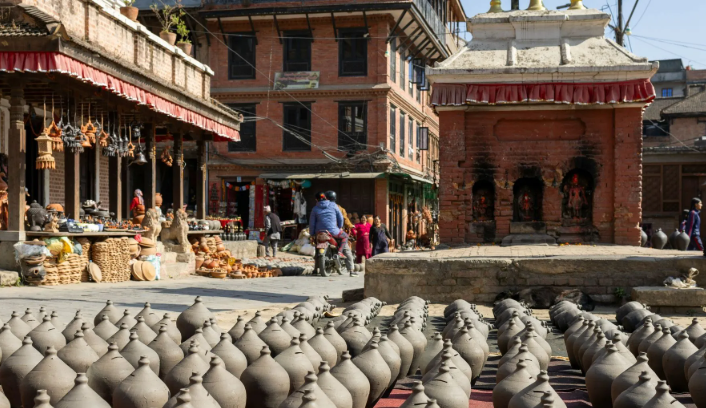
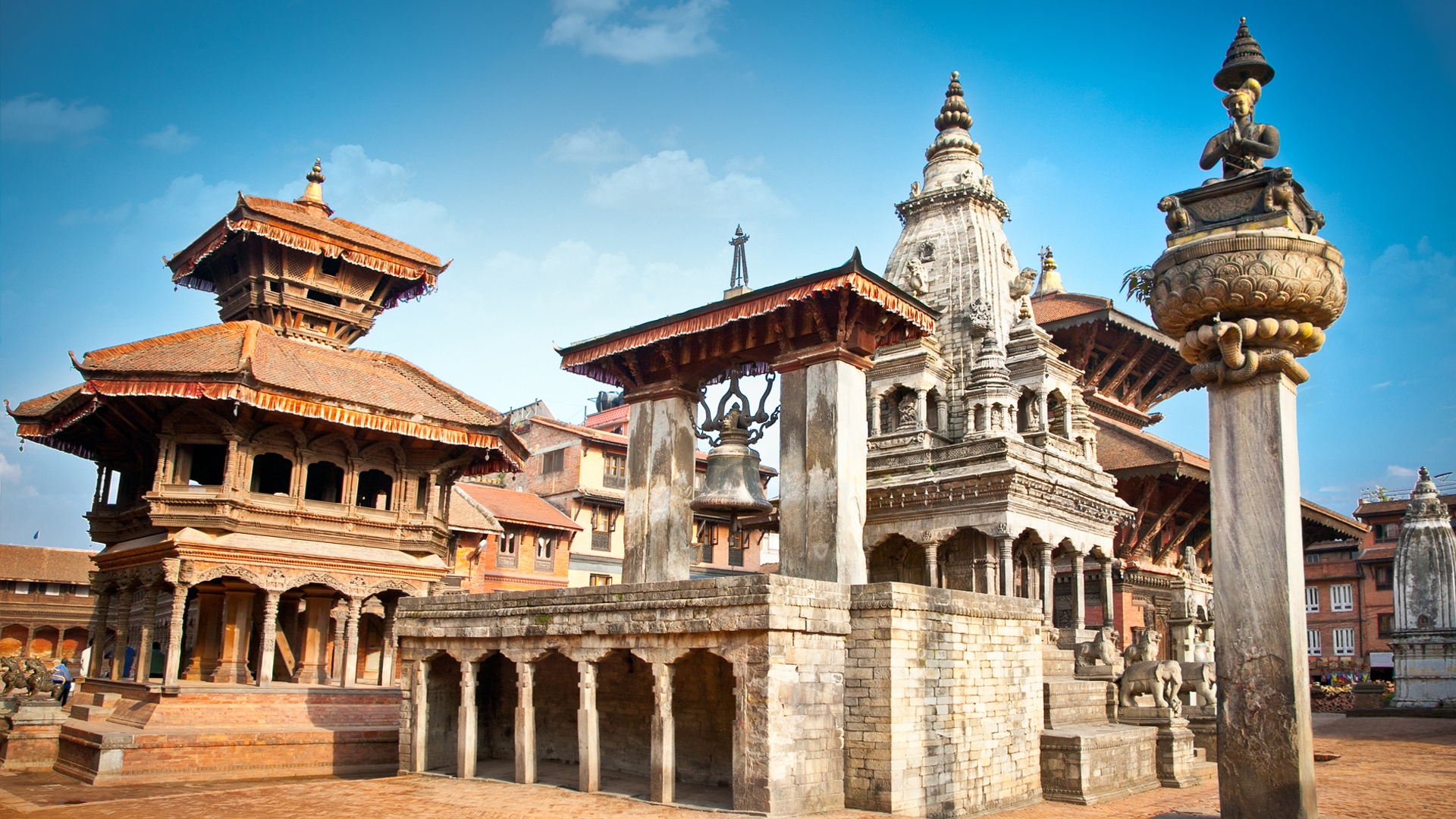
These cities feel like Kathmandu turned down a notch. Streets narrow. Footsteps replace engines. You hear the tap of metalworkers shaping statues, the whir of pottery wheels, the murmur of conversation echoing between brick buildings darkened by age and incense smoke.
These days take place within the Kathmandu Valley, but outside the dense center of Kathmandu itself. You are still based near the capital, just slowing the pace.
You have two good options. Choose one rather than trying to see both.
Option 1: Patan (Lalitpur)
Patan sits just across the Bagmati River from central Kathmandu. Best for wandering museums, watching artisans, and sipping tea at sunset.
- Travel time: 15–30 minutes by taxi from Thamel
- Known for artisan workshops, temples, and a calmer atmosphere
Spend your time wandering Patan Durbar Square, visiting the Patan Museum, and exploring the quiet streets south of the square. Patan works well as a day trip or an overnight stay.
Option 2: Bhaktapur
Bhaktapur is a separate historic city east of Kathmandu.
- Travel time: 45–60 minutes by taxi or tourist bus
- Best visited early in the morning or with an overnight stay
Bhaktapur feels slower and more traditional. The pottery makers, temple courtyards, and pedestrian lanes make it ideal for solo wandering.
Return to Kathmandu or Thamel in the late afternoon or early evening, or stay overnight if you want a quieter experience.
...
Days 5–7: Pokhara – Nature, Calm, and Community
Pokhara greets you with space. The air feels lighter. The lake reflects clouds and mountains in equal measure. Mornings begin quietly, with oars dipping into water and prayer flags stirring in the breeze.
Travel to Pokhara by tourist bus or short flight. Many solo women describe Pokhara as the place where they finally exhale.
Highlights
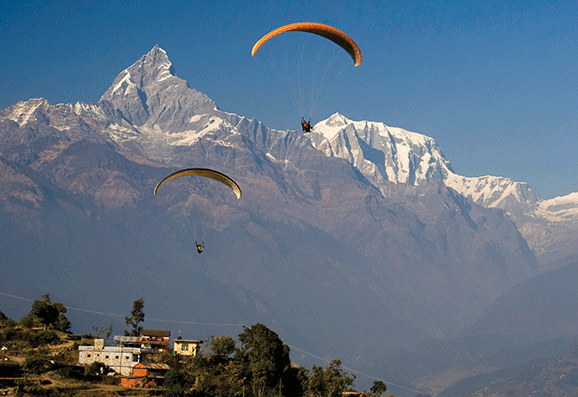
- Sunrise at Sarangkot
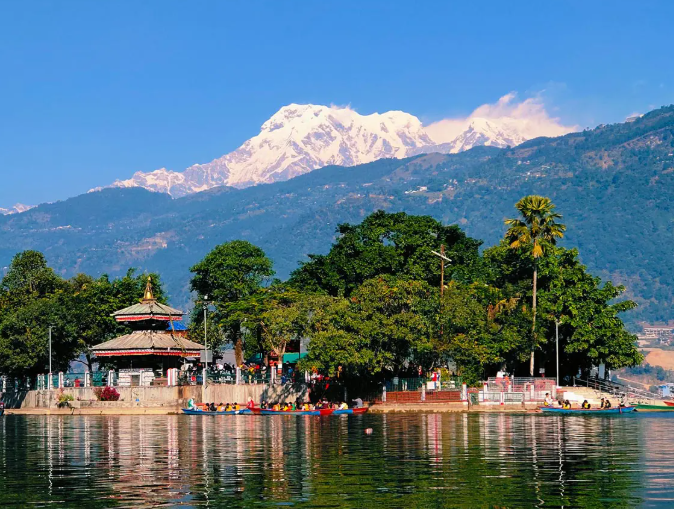
- Walks along Phewa Lake, or take a boat ride to Tal Barahi Temple
- Explore Gupteshor Mahadev Cave, Mahendra Cave and Devi’s Falls
- Yoga or meditation classes
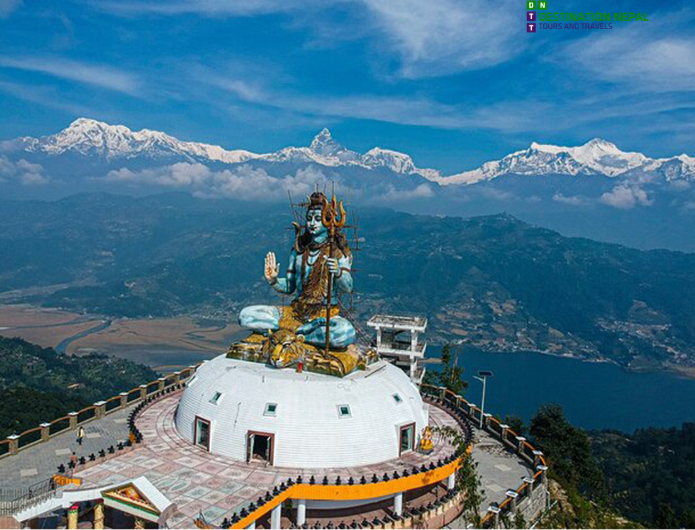
- Visit the World peace Pagoda
- Optional short guided hike (Australian Camp or Dhampus)
Choose a guesthouse where the owner lives onsite—it adds warmth and security.
...
Days 8–10: Choose Your Own Adventure—these will each require a bit of transport to get to—particularly Chitwan. If you have a bit more time, I highly recommend a trek and a visit to Chitwan.
Option A: Short Guided Trek
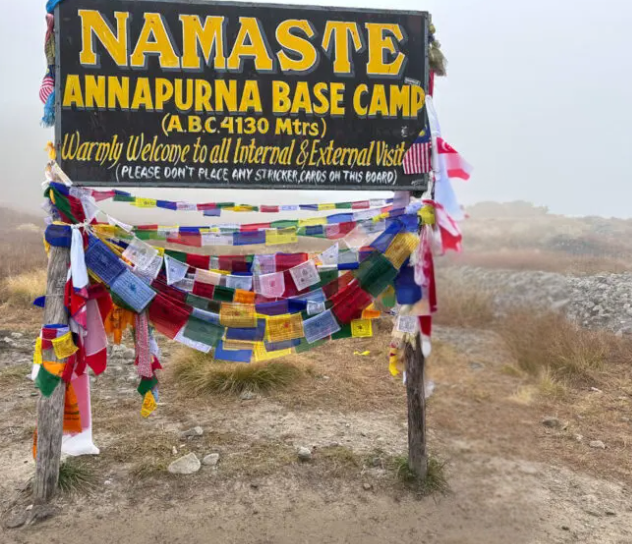
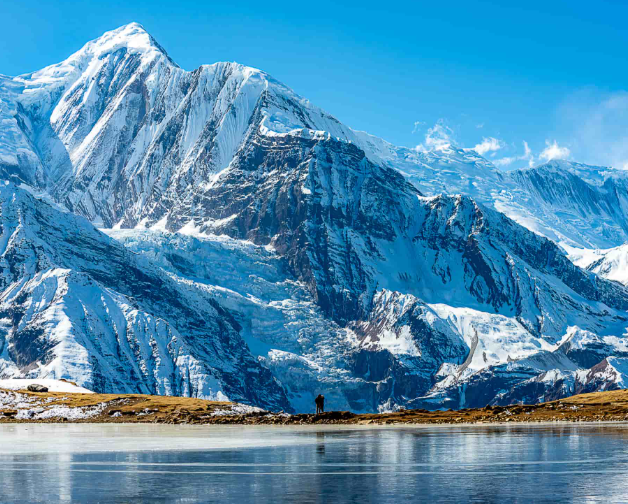
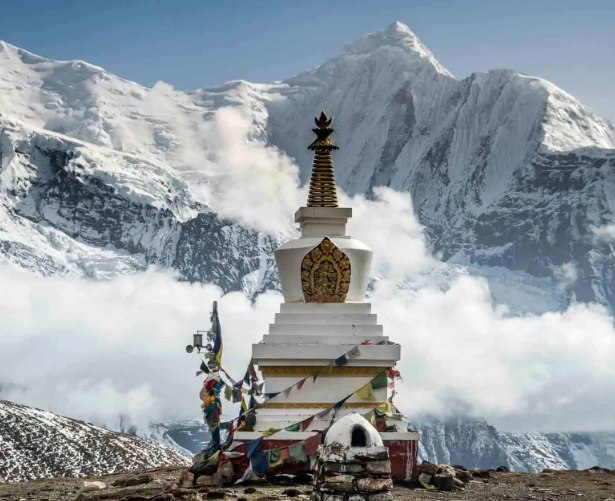
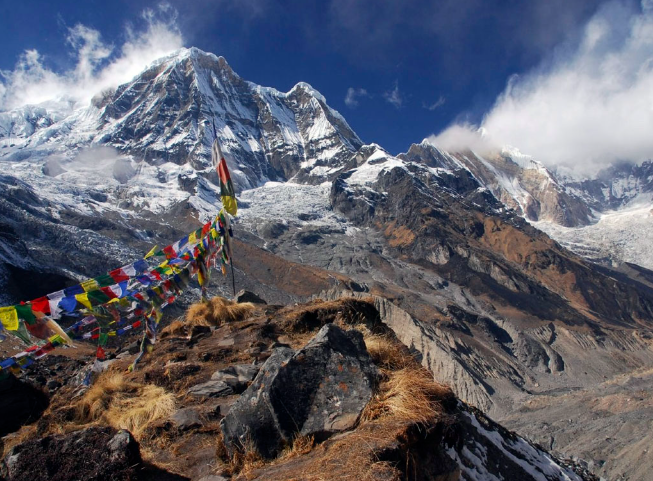
Beginner‑friendly treks in the Annapurna region offer mountain views without long commitment. Hire a guide and a porter. This provides safety, gives you a great trekking experience, and supports the local economy. Be prepared to hear “just around the bend” a lot. This usually is said with a virtual wink as a way to say “We’re nowhere near stopping yet, but just focus on getting up and around the next bend.” Treks are usually conducted with small groups. In the evenings you’ll share some dal bhat, compare sore muscles, and go to bed early.
Option B: Chitwan National Park
Wildlife safaris, canoe rides, and jungle walks with organized lodges. See my post on Chitwan HERE for more.
Option C: Kathmandu Valley Extension
Nagarkot sunrise, village walks, and deeper cultural immersion. You can also take a Mount Everest scenic flight that will fly you over the Himalaya for an hour of some extraordinary views.
...
Safety Tips for Women Traveling Alone in Nepal
General Safety
- Dress modestly: long pants, covered shoulders
- Ignore persistent staring—it’s usually curiosity
- A calm, firm “no” works better than explanations
Transportation
- Use tourist buses or private transfers for long distances
- Avoid overnight travel between towns
- Sit near women or families on public transport
Accommodation
- Choose well‑reviewed guesthouses or small hotels
- Request rooms not directly accessible from the street
- Trust your instincts—you don’t owe politeness at the expense of your mental comfort
Trekking Safety: Especially Important for Solo Women
Trekking is one of Nepal’s greatest joys—and also where preparation matters most.
- Stick to popular trails if it’s your first time. Avoid trekking truly alone, especially on remote routes. Hire a guide and porter—they add safety and cultural insight. If you’re in a group but lose sight of the others, NEVER cross high mountain passes alone
- Always carry insurance covering evacuation and rescue. Many standard policies, including complimentary credit-card insurance, do not cover high-altitude hiking or emergency rescue. Always read the fine print.
Altitude sickness can affect anyone, regardless of fitness. If you feel a sudden headache, fatigue, or dizziness, stop immediately and descend to where you last felt OK. Sleep there and try again the next day. Your body needs more time to acclimate.
Important details when planning your trip
Arriving in Kathmandu: What to Expect
Kathmandu Airport is about 20–30 minutes from Thamel.
- Prepaid taxis inside the airport are fixed‑price and easiest
- Cheaper taxis are available outside, but bargaining is expected
- Be cautious of “free taxi to hotel” offers—they often lead to inconvenient locations
- Download and use the inDrive app (like Upber/Lyft) to reserve a car.
Choose central accommodation for your first nights—it makes everything easier.
What to bring:
- Pack a few passport sized photos. You will need these to get a SIM card or a trekking permit.
- If you are going on a trek, the higher you go up the mountains, the fewer restrooms and showers you will find. You may want to bring wipes to clean up.
- If you are going on a trek, you can pick up high quality, yet inexpensive new or used gear in Thamel’s “backpacker district”. You do not need to pack everything you will need on the trek from home. If you like, you can keep the gear as a souvenir of your adventure, or sell or donate it at the end of your trip.
Cultural Etiquette Every Woman Should Know
Nepalese culture is shaped by Hindu and Buddhist traditions.
- Dress conservatively, especially in temples and villages
- Remove shoes before entering homes and temples
- Greet people with Namaste (palms together)
- Use your right hand (or both hands) when giving or receiving
- Walk clockwise around stupas and prayer wheels
- Ask before photographing people or ceremonies
These customs aren’t about restriction—they’re about respect.
Staying Connected: SIM Cards & Wi‑Fi
Wi‑Fi is widely available in cities and guesthouses, though slower in the mountains.
- Buy a local SIM at the airport or in Thamel (you will need a passport sized photo to get one)
- NTC/Namaste works better in the Annapurna region
- NCell works better near Everest
- Holafly is a great eSIM provider that also works well here.
For trekking, consider a satellite messenger device and always carry appropriate insurance.
Food and Drink in Nepal: What to Expect
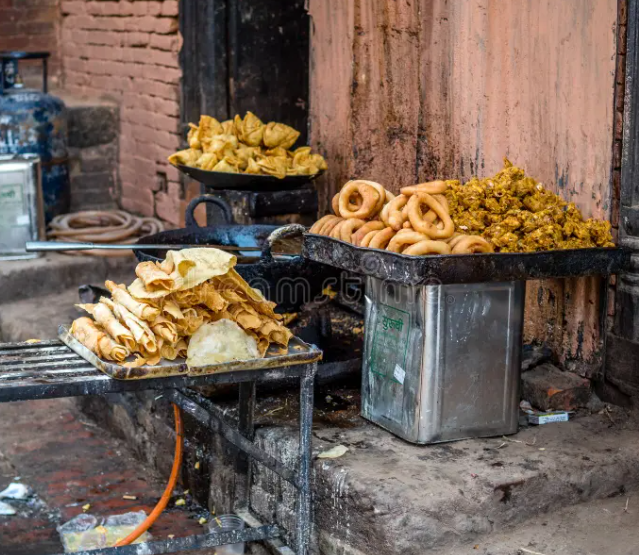
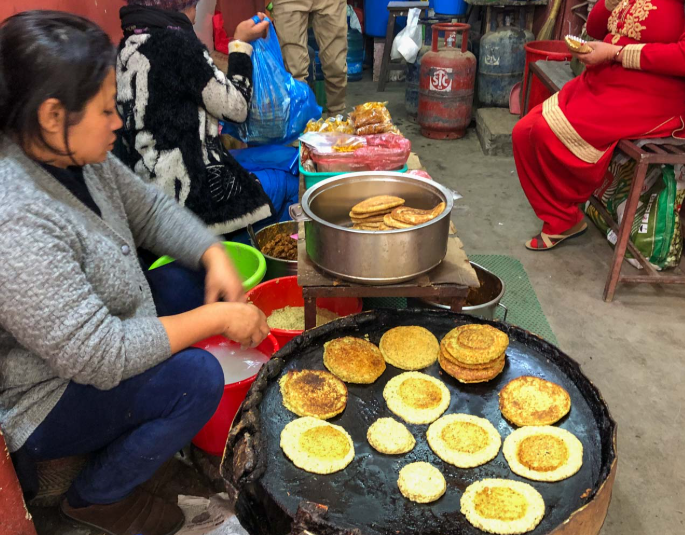
Meals in Nepal are woven into the rhythm of the day. Kitchens open directly onto the street. Steam rises from pots of lentils. Hands move confidently, shaping dough or folding dumplings. Eating here often feels communal, even when you are dining alone. I highly recommend taking a food tour when you are in Kathmandu to get a feel for the flavors of the area when you first arrive.
Food is a central part of daily life in Nepal, and eating well here is both easy and affordable. The cuisine is generally simple, nourishing, and carb-heavy—well suited to trekking and long days of walking. In cities and tourist hubs, you will also find plenty of international options if you need a break or crave familiar flavors.
What Nepali Food Is Like
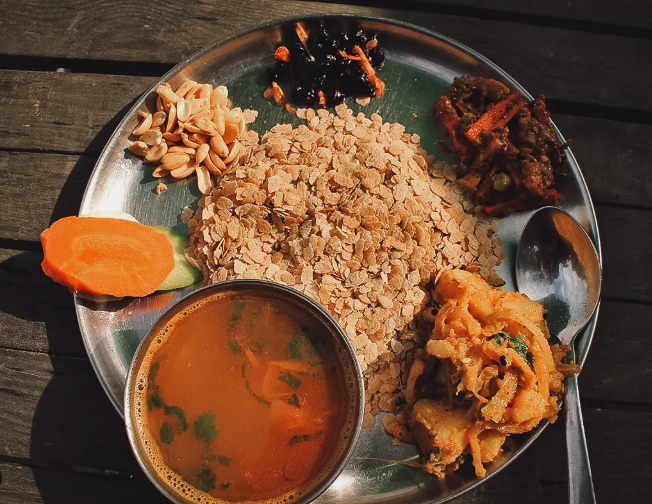
The backbone of Nepali cuisine is dal bhat—a set meal of rice, lentil soup, seasonal vegetables, and sometimes curry or pickles. It is filling, inexpensive, and often comes with free refills, which is why trekkers rely on it.
Other common dishes include:
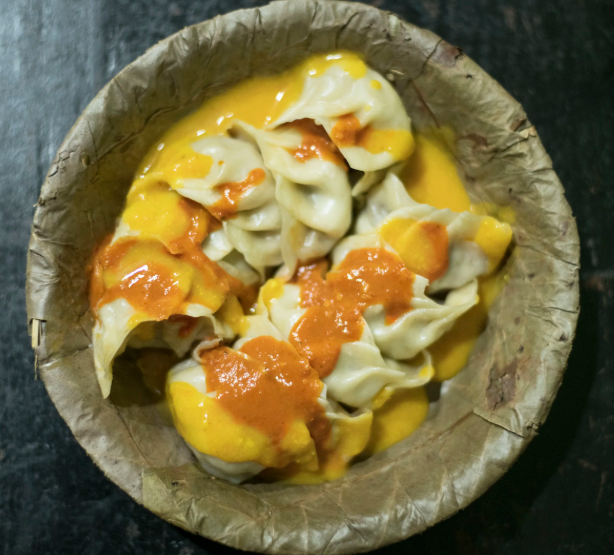
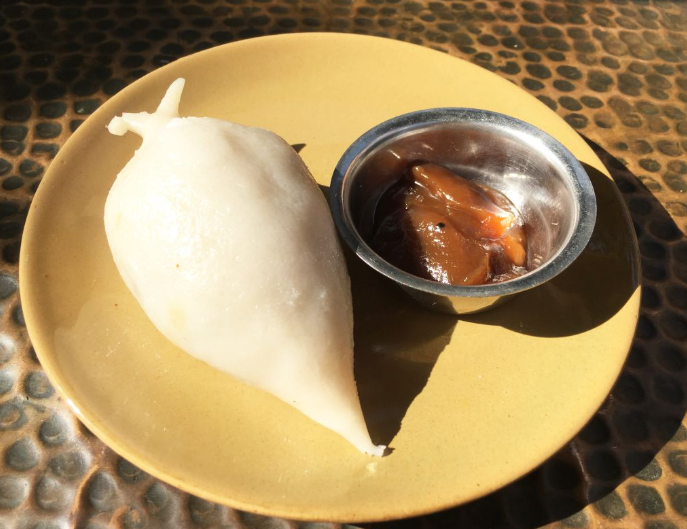
- Momos – steamed or fried dumplings filled with vegetables, chicken, or buffalo
- Thukpa – a hearty noodle soup, especially popular in colder regions
- Chow mein – adapted to local tastes, often with vegetables or egg
- Roti, curries, and pickles – influenced by Indian and Tibetan cooking
Food in Nepal is usually mild, though you can request less spice if needed. Vegetarian options are widely available, and many travelers find Nepal one of the easiest places in Asia to eat vegetarian.
Food Safety Tips
- Eat where it is busy and food turnover is high
- Stick to cooked food, especially in the first few days
- Wash or sanitize hands before eating
- Avoid unpasteurized dairy and raw salads outside reputable restaurants
Where to Eat: Local Recommendations
These suggestions balance good local food with places where solo travelers often feel comfortable.
Kathmandu (Thamel & Patan)
You will find everything here, from simple local eateries to familiar Western cafés.
- Newa Momo Restaurant – A favorite for affordable, authentic momos in a casual setting
- Or2k – Popular for Middle Eastern and vegetarian dishes when you want something familiar
- Fusion Himalaya Café – Local dishes at good prices, relaxed atmosphere
- Himalayan Java Café – Reliable coffee, breakfasts, and a comfortable place to linger
Patan
Patan has fewer tourist restaurants, but the quality is high.
- Small family-run restaurants around Patan Durbar Square serve excellent local meals
- Look for Newari dishes such as bara (lentil pancakes) and traditional set meals
Bhaktapur
Bhaktapur is known for its yogurt and traditional Newari food.
- Try juju dhau (king curd), the city’s famous sweet yogurt
- Local restaurants near Durbar Square offer traditional rice and curry plates
Pokhara (Lakeside)
Pokhara has the widest range of food options in Nepal.
- Lakeside cafés offer everything from Nepali meals to pasta and baked goods
- Little Window – Known for good breakfasts and baked items
- Moondance Restaurant – A long-standing favorite with a broad menu
Pokhara is a good place to enjoy fresh salads and international food once your stomach has adjusted.
While Trekking
Food options are simple but satisfying.
- Dal bhat is the safest and most reliable choice
- Menus repeat from village to village
- Portions are generous and designed to fuel long walking days
Avoid alcohol at altitude and drink plenty of purified water.
Practical Tips for Solo Female Travelers in Nepal
Taking care of logistics ahead of time makes it easier to settle into the experience. When you are not worrying about money, transport, or connectivity, you notice the quieter details—the rhythm of prayer wheels, the smell of wood smoke at dusk, the way mountains appear suddenly between buildings.
This section pulls together the questions women ask most often before they go.
Should I buy travel insurance for Nepal?
Yes. Always.
Nepal has introduced “free” healthcare, but it applies only to citizens. Visitors are expected to pay out of pocket, and costs rise quickly if evacuation or altitude-related treatment is required.
Many standard policies, including complimentary credit-card insurance, do not cover high-altitude hiking or emergency rescue. Always read the fine print.
I recommend choosing a policy that allows add-ons for trekking at altitude. World Nomads is popular with hikers because it offers coverage for high-altitude trekking up to 6,000 meters, which many insurers do not.
Do I need a visa for Nepal?
Most Western travelers will not need a visa. For those who do, you can get a visa on arrival at Kathmandu airport.
- 15 days: USD $30
- 30 days: USD $50
- 90 days: USD $125
You will need cash (USD or NPR) or a debit card. Credit cards are often not accepted for visa payment. You will also need a passport photo for your visa.
Some nationalities require a pre-approved eVisa, so check official requirements before departure.
Do I need vaccinations for Nepal?
Yes. Make sure routine vaccinations are up to date.
Common travel vaccines include:
- Hepatitis A and B
- Typhoid
- Diphtheria and Tetanus
Rabies exists in Nepal, especially among stray dogs. The vaccine is expensive and not fully preventative, so the key advice is simple: avoid contact with animals and seek immediate medical care if bitten.
Always consult your GP or a travel clinic several weeks before departure.
How do you pay for things in Nepal?
Cash is essential.
- ATMs are widely available in cities
- Many restaurants and shops accept cards, but smaller places do not
- On treks, ATMs are rare or nonexistent
Always carry enough cash before leaving cities.
Many travelers use a Wise debit card because it offers favorable exchange rates and works reliably at Nepalese ATMs.
What is public transportation like in Nepal?
Nepal has an extensive network of local and inter-city buses, and fares are very low.
Tourist buses and domestic flights are more comfortable and still affordable. Domestic flights can save significant time when roads are rough.
Bus tickets can be booked online through platforms like Bussewa.
How do you get internet, data, and Wi-Fi?
- Prepaid SIM cards are inexpensive and easy to find. Ncell and NTC are the main providers
- Bring your passport to purchase one
An Ncell SIM bought in Thamel typically costs around $10 and lasts most travelers for several weeks.
For convenience, an Airalo eSIM works immediately on arrival and avoids in-person registration, but it costs more.
Where should I book flights to Nepal?
Use Skyscanner to compare prices. Once you find a good option, booking directly with the airline often provides better flexibility if plans change.
Can you drink the water in Nepal?
It is safest not to.
Tap water is generally untreated. Use bottled water or purification tablets for drinking and brushing teeth.
Can you drink water while trekking?
Yes, with purification.
There are many taps and water sources along popular trekking routes. Your guide will point them out.
- Always purify water with tablets or a filter
- Bottled water in the mountains is expensive
- If drinking from streams, choose fast-flowing water upstream
Many trekkers use purification tablets or a filtered bottle for convenience.
When is the best time to visit?
Spring (March-May) and Fall (Sept-Nov) are ideal. June-August is monsoon season, while winter is incredibly cold, and not great for mountain treks.
Will You Feel Alone in Nepal?
Probably not.
Solitude in Nepal rarely feels empty. Even when you are walking alone, you are surrounded by life—bells ringing, dogs sleeping in the sun, women chatting as they sort vegetables. Connection happens naturally, often without effort or expectation.
Nepal has a strong solo traveler culture. In Thamel and Pokhara, conversations begin easily in cafés and guesthouses. On popular treks, you see familiar faces night after night, and connection forms naturally.
Many women arrive nervous about traveling alone here and leave surprised by how supported they felt.
And that’s the kind of souvenir that lasts.